From Lesson Plans to Real Practice: Healthcare Simulation in High School
From Lesson Plans to Real Practice: How Allison Okel Is Bringing Healthcare to Life at South Fayette High School
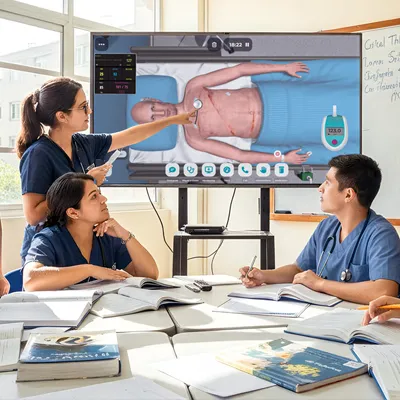
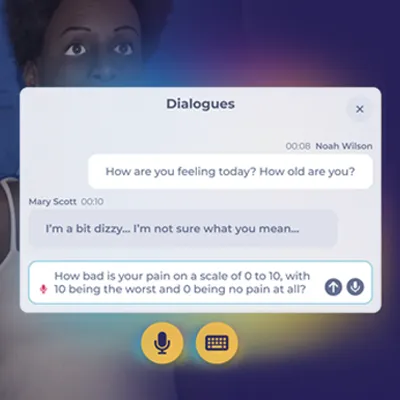
In a classroom at South Fayette High School, just outside of Pittsburgh, students aren’t only studying definitions and diagrams anymore. They’re stepping into the shoes of healthcare professionals, making decisions, assessing patients, and learning what it really feels like to be responsible for someone’s life all through Body Interact.
South Fayette is one of the fastest-growing districts in Pennsylvania, and with that growth has come a desire to give students meaningful, hands-on experiences. That mission is especially clear in Allison Okel’s Honors Healthcare Concepts & Medical Terminology class. Her students, driven 12th-graders who have already completed Honors Human Anatomy & Physiology, are serious about their futures in medicine, nursing, and other healthcare fields.
Designing a Course That Goes Beyond Memorization
Allison designed her course to go beyond memorization. While students still master medical terminology and review body systems, each unit also introduces real healthcare ideas like patient history, communication skills, safety procedures, and diagnostic tools. What she needed was something that could bring all of that knowledge together in a realistic way and that’s what led her to Body Interact.
Choosing the Right Simulation Scenarios for High School Learners
At first, she carefully explored the Scenario Catalog, testing different difficulty levels. She eventually selected a blend of basic, intermediate, and advanced cases, quickly realizing that her students thrived on the challenge of the advanced ones.
With support from Body Interact trainers and helpful webinars, Allison gained the confidence to dive in right alongside her students.
Learning by Doing: Bringing Simulation into the Classroom
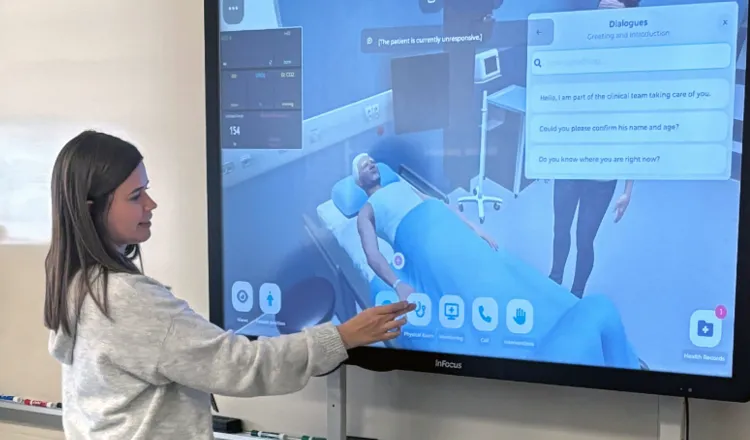
Instead of waiting until everything felt “perfect,” she simply started. Her first experience using the platform was during midterm review, using a fun, seasonal scenario that she guided on the classroom screen. It gave students a chance to watch, ask questions, and understand how the simulations worked. Soon after, they began working through cases themselves in pairs, discussing their decisions before and after each scenario.
Turning Data into Better Teaching and Deeper Learning
As students worked through the simulations, Allison stayed highly involved. Groups would call her over to review their results, reflect on their mistakes, and celebrate their successes. Earning at least a 70% was required for credit, but the real goal wasn’t the score, it was building confidence, critical thinking, and a deeper understanding of patient care.
With the detailed data in BI Studio, Allison could track student progress and spot patterns in understanding. This information helped her shape future lessons and better support both present and absent students who completed cases on their own.
Clinical Reasoning That Transfers Beyond the Simulation
By the second semester, Body Interact connected naturally to every unit. One or two scenarios per body system became a routine part of the learning experience and something students looked forward to. The simulations made lessons feel real, personal, and exciting.
When asked whether she had noticed any improvement in her students’ clinical reasoning and decision-making skills, her response highlighted the real impact of immersive, scenario-based learning:
“With Body Interact, the more scenarios students complete, the faster and more confident they become in identifying the correct diagnosis and choosing the most appropriate next steps in patient care. I’ve also seen a significant rise in their test performance. Each of my unit exams includes an essay question tied to a healthcare concept we’ve worked on, and students consistently draw on examples from Body Interact in their answers. This proves that the platform isn’t just engaging, it’s actively strengthening students’ understanding and enhancing their critical thinking and clinical reasoning skills.”
Preparing the Next Generation of Healthcare Professionals
Through grit, creativity, and technology, Allison Okel has transformed her classroom into a realistic training ground for the next generation of healthcare workers proving that sometimes the most powerful learning happens when students are given the chance to step into the moment and make the call.
Watch Allison’s full testimonial here