When every second changes: Training Cardiac Arrest Through Simulation
In cardiac arrest, survival depends on the ability to rapidly recognize the underlying rhythm, initiate the appropriate treatment, and seamlessly integrate Basic Life Support (BLS) and Advanced Life Support (ALS) interventions. Yet these skills are among the most challenging to master because real cardiac arrests are dynamic, stressful, and unpredictable.
This is precisely why modern healthcare education is moving beyond static learning and embracing immersive simulation experiences that replicate the realities of resuscitation.
Not All Cardiac Arrests Are the Same
Cardiac arrest is often discussed as a single emergency, but in reality, clinicians encounter multiple arrest rhythms, each requiring a specific approach.
Current international resuscitation guidelines classify cardiac arrest rhythms into two major categories:
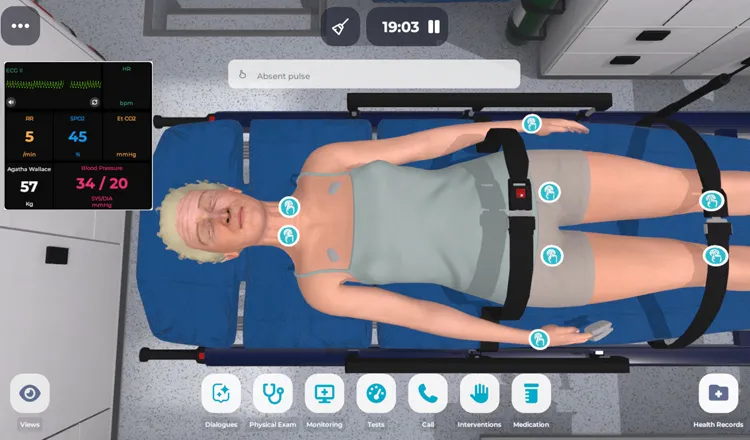
Shockable Rhythms
These rhythms may respond to immediate defibrillation and include:
- Ventricular Fibrillation (VF)
- Pulseless Ventricular Tachycardia (pVT)
Evidence consistently shows that early defibrillation is one of the strongest predictors of survival in shockable cardiac arrests. Every minute of delay significantly reduces the likelihood of a favorable outcome. (Lee et al, 2021)
Clinicians must therefore rapidly recognize these rhythms, deliver appropriate shocks, minimize interruptions in chest compressions, and administer medications according to ALS algorithms.
Non-Shockable Rhythms
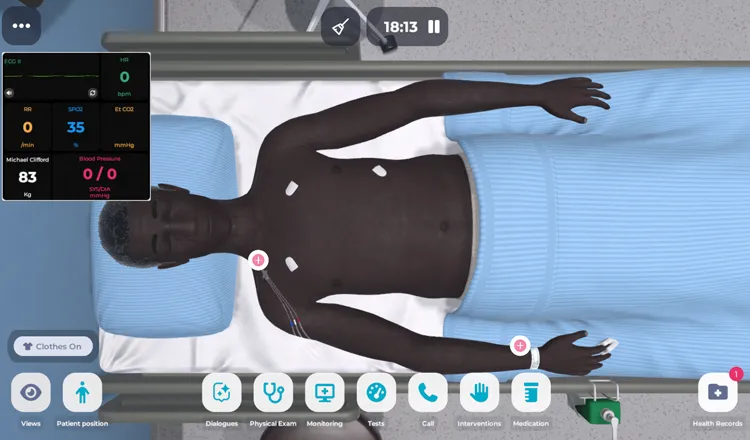
These rhythms require a different treatment strategy and include:
- Pulseless Electrical Activity (PEA)
- Asystole
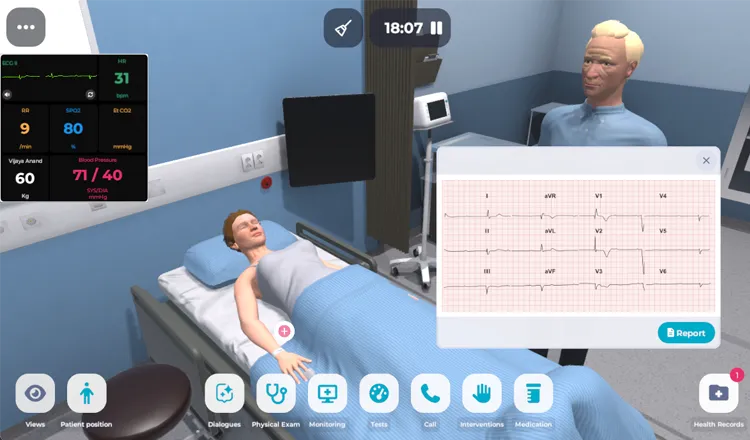
In these cases, defibrillation is not indicated. Instead, survival depends on high-quality cardiopulmonary resuscitation, prompt administration of medications, and systematic identification of reversible causes.
Recognizing when not to shock is just as important as knowing when defibrillation is required.
The Real Challenge: Clinical Decision-Making Under Pressure
Memorizing rhythm characteristics in a classroom is one thing.
Recognizing them during a rapidly evolving emergency is something entirely different.
Healthcare professionals must be able to:
- Interpret ECG rhythms in real time
- Distinguish shockable from non-shockable arrests
- Decide whether defibrillation is indicated
- Initiate high-quality chest compressions immediately
- Manage airways and ventilation
- Administer appropriate medications
- Reassess the patient continuously
- Adapt treatment as the rhythm changes
And rhythms do change.
A patient may initially present in ventricular fibrillation, convert temporarily after defibrillation, deteriorate into pulseless electrical activity, and later achieve return of spontaneous circulation (ROSC).
This dynamic progression is what makes cardiac arrest management such a complex cognitive and clinical challenge.
Training Dynamic Cardiac Arrest Management with Body Interact
Scientific evidence increasingly supports simulation-based education as one of the most effective methods for developing resuscitation competence. (Gabbouj et al, 2025)
Simulation allows learners to practice not only technical procedures but also critical thinking, teamwork, leadership, and clinical decision-making. Most importantly, it creates opportunities to experience situations that are difficult to reproduce consistently in clinical placements.
Repeated exposure to realistic cardiac arrest scenarios helps learners develop the pattern recognition and confidence necessary to respond effectively when a real emergency occurs.
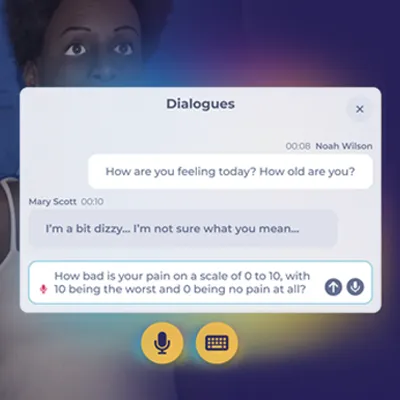
Body Interact enables healthcare learners to experience the full spectrum of cardiac arrest management through realistic virtual patient simulations.
Rather than simply reviewing algorithms, learners actively participate in the assessment, recognition, and treatment of deteriorating patients.
Practicing Basic Life Support (BLS)
High-quality Basic Life Support remains the foundation of successful resuscitation.
Body Interact allows learners to practice critical BLS competencies, including:
- Early recognition of cardiac arrest
- Activation of emergency response systems
- High-quality chest compressions
- Effective ventilation techniques
- Automated External Defibrillator (AED) use
- Continuous reassessment of patient status
These fundamental actions can significantly influence patient outcomes before advanced interventions begin.
Developing Advanced Life Support (ALS) Competencies
As learners progress, scenarios can incorporate more advanced clinical decision-making.
Participants practice:
- Advanced rhythm recognition
- Defibrillation decision-making
- Airway management strategies
- Pharmacological interventions
- Management of reversible causes
- Post-resuscitation care considerations
Team leadership and communication
This integrated approach reflects the realities of modern ALS practice, where technical expertise and clinical judgment must work together.
Beyond Algorithms: Building Clinical Confidence
The ultimate goal of resuscitation education is not simply to teach an algorithm.
It is to prepare healthcare professionals to think clearly, act decisively, and work effectively under pressure.
Body Interact’s dynamic cardiac arrest scenarios provide a safe environment where learners can make decisions, experience consequences, receive feedback, and refine their performance.
By exposing learners to both shockable and non-shockable cardiac arrest rhythms, as well as the full continuum of Basic and Advanced Life Support interventions, simulation helps transform theoretical knowledge into clinical competence.
Through immersive virtual patient simulations, Body Interact helps healthcare professionals build the knowledge, confidence, and decision-making skills needed to manage cardiac arrest effectively, whether the rhythm is ventricular fibrillation, pulseless ventricular tachycardia, pulseless electrical activity, or asystole.
Because when every second counts, preparation can make all the difference.
Ready to bring cardiac arrest simulation into your curriculum?
See how Body Interact prepares healthcare students for real resuscitation scenarios.
By Ana Santa – MSN, APRN
Editorial Manager